
 By vault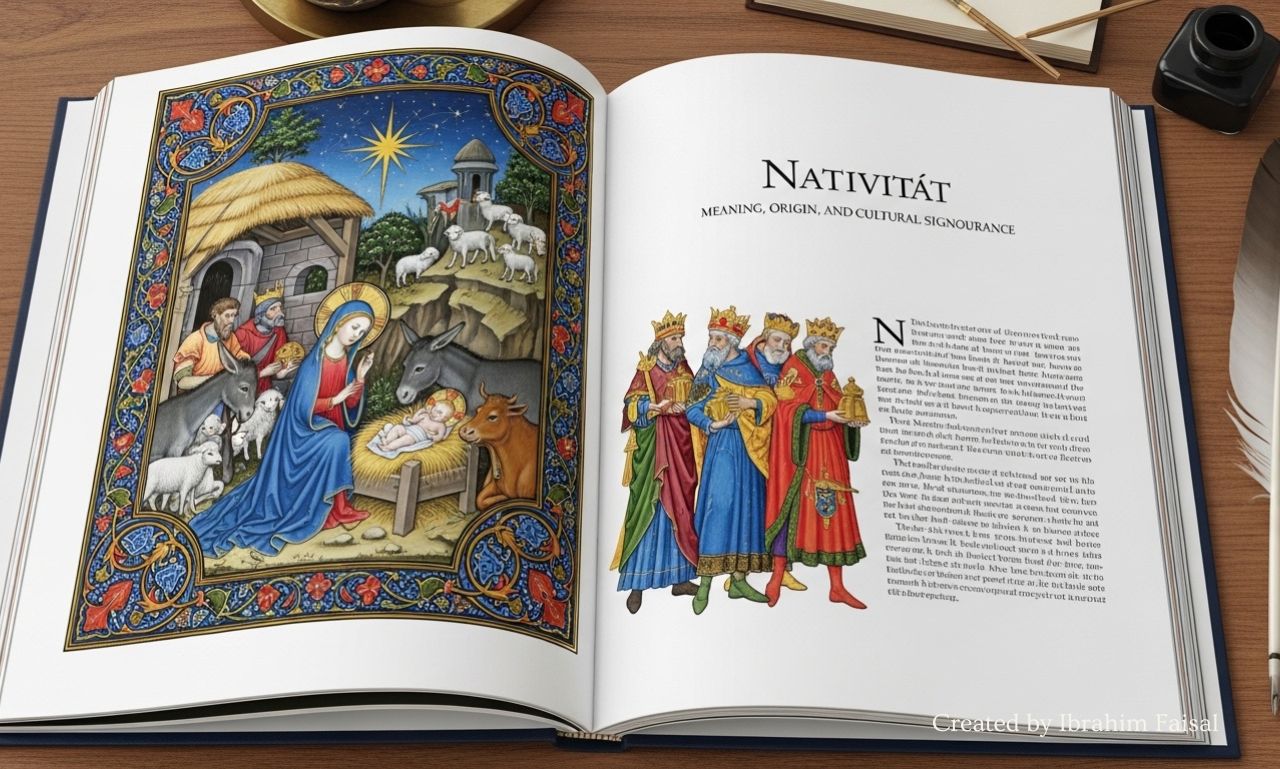
Nativität is a word that evokes warmth, tradition, and deep-rooted cultural significance. At its core, it represents the celebration of birth and new beginnings. While many associate this term with Christmas and the nativity scene depicting the birth of Jesus Christ, its essence stretches far beyond religious boundaries. Across various cultures and religions worldwide, Nativität symbolizes hope, renewal, and community gatherings during special times.
As we explore Nativität’s meaning, origins, and its diverse expressions across different societies, you’ll discover how this concept resonates on both personal and collective levels. Join us as we dive into the rich tapestry of traditions surrounding Nativität—where every thread tells a unique story woven through time.
The Origin of Nativität
The term “Nativität” derives from the Latin word “nativitas,” which translates to “birth.” Historically, it has been closely associated with the nativity of Jesus Christ. This concept emerged prominently in Christian theology.
Early celebrations focused on defining and honoring this miraculous birth. As Christianity spread across Europe, various cultural interpretations began to shape its meaning.
In medieval times, art flourished around Nativität themes—depicting scenes of Mary, Joseph, and the newborn Jesus. These artworks became central to religious observances.
Over centuries, nativitätsfeiern evolved into a broader celebration encompassing family gatherings and communal festivities during Advent. Different regions embraced unique customs that reflected their local traditions while still honoring this significant event within Christianity.
Cultural Significance of Nativität in different countries and religions
Nativität holds deep cultural significance across various countries and religions. In Christian traditions, it symbolizes the birth of Jesus Christ, celebrated through Nativity scenes depicting Mary, Joseph, and the baby Jesus. This imagery brings communities together during festive seasons.
In Latin American cultures, Nativität transforms into vibrant celebrations known as “Las Posadas,” where families reenact Mary’s search for shelter. Festivities blend music, food, and communal gatherings that reinforce social bonds.
In Eastern Orthodox Christianity, Nativität is marked by a unique calendar date and rituals emphasizing fasting before the feast day. It highlights themes of humility and divine love.
Moreover, in non-religious contexts like art or literature, Nativität inspires creativity. Artists reinterpret its symbolism to explore themes of rebirth and renewal in diverse narratives worldwide. Each culture brings its own twist to this timeless story while honoring shared human values.
How Nativität is celebrated around the world
Nativität celebrations vary widely across the globe, reflecting diverse cultural traditions and practices. In many Latin American countries, vibrant posadas reenact the journey of Mary and Joseph. These lively gatherings blend music, food, and community spirit.
In Europe, especially in Germany and Austria, Christmas markets come alive with stunning nativity scenes. Families often gather to create elaborate displays at home as part of their holiday décor.
Eastern Orthodox Christians celebrate Nativität on January 7th with a rich feast after fasting throughout December. The event is marked by special church services filled with hymns that narrate the Nativity story.
In Ethiopia, unique traditions unfold during Gena, where people don white robes for church ceremonies lasting hours. Each celebration offers a window into how various cultures interpret this powerful theme of birth and renewal.
The role of Nativität in modern society
Nativität plays a significant role in contemporary society, serving as both a spiritual reminder and cultural touchstone. For many, it symbolizes hope and renewal during challenging times. The imagery associated with Nativität fosters connection among communities.
In urban areas, public displays such as nativity scenes bring people together. They spark conversations about faith, tradition, and the essence of giving. Schools often incorporate Nativität themes into their holiday programs, emphasizing inclusivity while celebrating diverse beliefs.
Social media has also transformed how we experience Nativität today. Users share personal interpretations or artistic representations that resonate with their unique backgrounds. This exchange cultivates understanding across different cultures.
Moreover, charitable initiatives inspired by the spirit of Nativität encourage generosity towards those in need. Many find purpose through acts of kindness during this season, reinforcing community bonds and fostering empathy within modern life.
Misconceptions and controversies surrounding Nativität
Nativität is often surrounded by misconceptions that can lead to misunderstandings. Many people equate it solely with Christmas, overlooking its deeper spiritual significance in various cultures.
Some believe Nativität focuses only on the nativity scene and the birth of Jesus Christ, but this concept transcends religion. It embodies themes of rebirth, hope, and new beginnings found in many traditions.
Controversies may arise regarding how Nativität is portrayed in public spaces or the commercialization surrounding it. Critics argue that the true essence gets lost amid consumerism.
Moreover, interpretations vary widely between different communities. What one group cherishes as sacred might be viewed differently elsewhere, sparking debates about cultural appropriation versus appreciation.
Understanding these nuances helps foster respectful dialogue around Nativität and its rich tapestry woven through diverse beliefs.
The importance of understanding and respecting different cultural traditions
Understanding and respecting different cultural traditions, such as nativität, is paramount in our increasingly interconnected world. Each celebration offers unique insights into the values and beliefs of various communities. By recognizing these differences, we foster a sense of empathy and appreciation for one another’s heritage.
Nativität highlights not only religious significance but also communal bonds that transcend geographical boundaries. Engaging with diverse customs enriches our own experiences and promotes harmony among varying belief systems.
Encouraging open dialogues about traditions allows us to learn from each other while celebrating what makes us unique. This commitment to understanding helps bridge gaps between cultures, creating a more inclusive society where all voices are heard and valued.
Embracing the concept leads to deeper connections within our global community. It reminds us that despite our differences, there exists a shared human experience worth honoring together.