
 By vault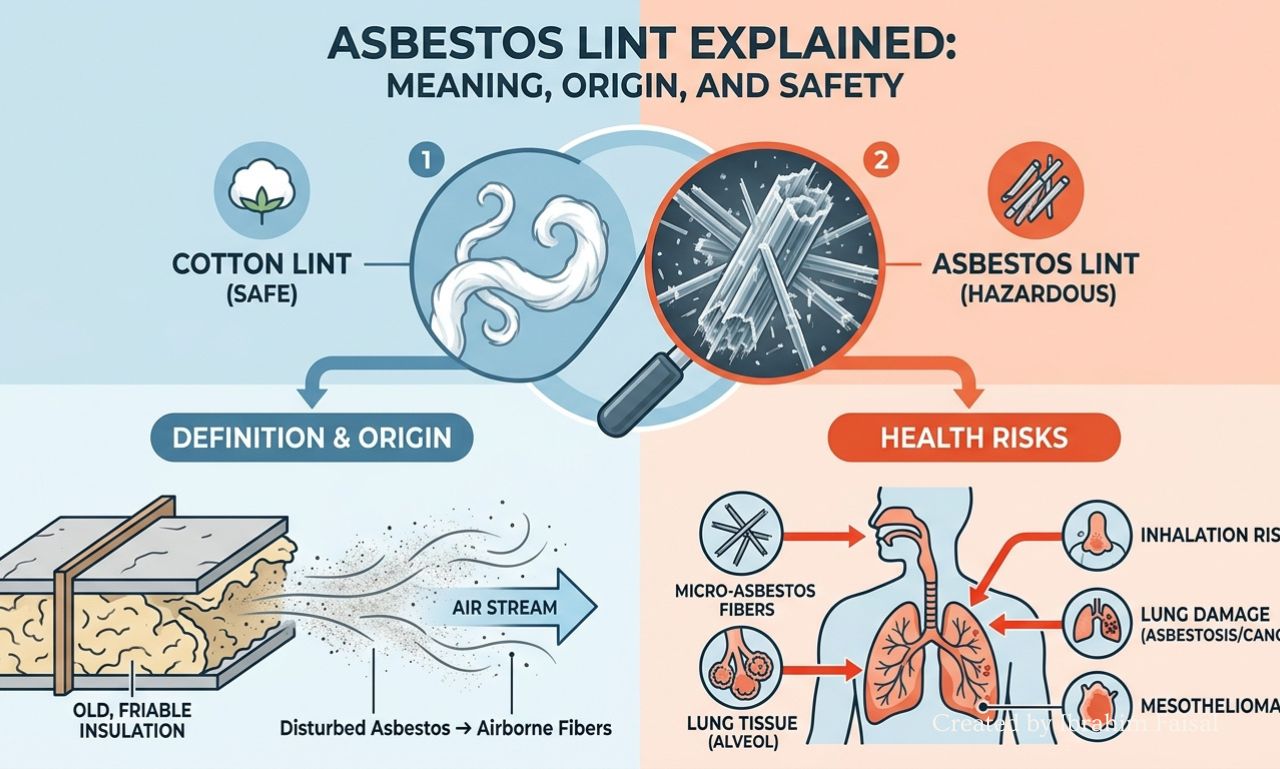
Asbestlint, a term that may sound unfamiliar to many, is more significant than it appears at first glance. This material has played a crucial role in various industries, particularly for its insulation properties. However, as awareness of health risks associated with asbestos grows, understanding asbestlint becomes essential. Whether you’re a contractor working on renovations or simply curious about building materials and their implications for safety and health, diving into the world of asbestlint will equip you with valuable knowledge. Let’s explore what asbestlint is all about!
What is Asbestlint?
Asbestlint refers to a type of insulation tape made from asbestos fibers. This material has been widely used in construction and manufacturing due to its excellent heat resistance and durability.
Typically, asbestlint was employed for sealing joints in pipes, ducts, and other equipment that required thermal protection. Its unique properties allowed it to withstand high temperatures without deteriorating.
While the term may be less common today, many older buildings still contain asbestlint within their structures. Identifying this material is crucial for anyone involved in renovation or demolition work.
Due to its composition, asbestlint poses significant health risks if disturbed or damaged. The tiny asbestos fibers can become airborne, leading to serious respiratory issues when inhaled. Understanding what asbestlint entails is vital for ensuring safety during any project involving older materials.
History and Uses of Asbestlint
Asbestlint, a type of asbestos tape, has a rich history that dates back to the early 20th century. Initially prized for its fire-resistant properties, it found applications in various industries, particularly construction and insulation.
This material was commonly used to seal joints in heating ducts and pipes. Its ability to withstand high temperatures made it an ideal choice for industrial settings where safety against fire hazards was paramount.
In addition to insulation, asbestlint was also applied in automotive production and electrical components. Manufacturers valued its durability and resistance to corrosion.
However, over time awareness grew regarding the dangers associated with asbestos exposure. This led many countries to restrict or ban its use entirely due to health concerns related to inhalation of asbestos fibers.
Health Concerns and Risks Associated with Asbestlint
Asbestlint, once valued for its insulating properties, poses serious health risks. The fibers released when it is disturbed can be inhaled, leading to severe respiratory issues.
Exposure has been linked to asbestos-related diseases such as asbestosis and mesothelioma. These conditions often develop silently over years before symptoms become apparent.
The latency period makes Asbestlint particularly dangerous. Individuals might not realize the risk until it’s too late. Chronic cough, shortness of breath, and chest pain can indicate significant exposure.
Even minimal contact may trigger long-term health consequences. Regulations have tightened around handling materials containing Asbestlint due to these alarming facts.
It’s crucial for workers in construction or renovation to use protective gear when dealing with potential asbestos-containing products. Awareness plays a vital role in minimizing these risks effectively.
Regulations and Guidelines for Handling Asbestlint
When dealing with asbestlint, strict regulations are in place to protect both workers and the public. These guidelines vary by country but generally follow similar principles.
Organizations like OSHA (Occupational Safety and Health Administration) in the United States provide clear directives regarding exposure limits and safe handling practices. Employers must ensure that employees receive proper training on recognizing asbestlint hazards.
Personal protective equipment (PPE) is mandatory when working with this material. This includes respirators, gloves, and coveralls specially designed for asbestos work.
In addition to worker protection, specific disposal protocols are required for any waste containing asbestlint. It must be sealed in designated containers labeled appropriately before being sent to licensed facilities for disposal.
Regular inspections of sites where asbestlint is present also help maintain safety standards, ensuring compliance with existing regulations while minimizing health risks.
Alternatives to Asbestlint
When looking for alternatives to asbestlint, several materials offer similar properties without the health risks associated with asbestos. Fiberglass tape is a popular choice, providing excellent insulation and fire resistance.
Another viable option is mineral wool tape. It’s made from natural rock and offers high thermal performance along with soundproofing capabilities.
For those focused on sustainability, there are eco-friendly options like cellulose-based tapes. These materials not only perform well but also reduce environmental impact.
Silicone tapes are also gaining traction for their flexibility and durability in varying temperatures. They can withstand extreme conditions while being safe to use.
Choosing the right alternative depends on your specific needs, whether you prioritize safety, performance, or environmental factors. Each option presents unique benefits that cater to different applications.
Proper Disposal Methods for Asbestlint
Disposing of asbestlint requires careful attention to safety regulations. It is crucial to avoid releasing harmful fibers into the air during disposal.
First, ensure that you seal asbestlint in leak-tight containers. This prevents any potential exposure during transport and handling.
Next, always label the containers clearly. Indicating that they contain asbestos will alert waste management personnel about the hazardous material inside.
Transporting these materials should be done using designated vehicles that comply with local regulations. Many areas have specific guidelines for transporting hazardous waste to prevent contamination or accidents.
Deliver the sealed containers to a facility equipped for asbestos disposal. These facilities are trained to handle such materials safely, ensuring everything is disposed of correctly and responsibly. Proper disposal not only protects your health but also safeguards others from potential risks associated with asbestos exposure.
Making Informed Decisions About Asbestlint Use
When it comes to asbestlint, knowledge is power. Understanding its properties and potential risks helps individuals and businesses make informed choices. Weighing the benefits against health concerns is crucial for any project involving this material.
Before considering it for insulation or other applications, always assess your specific situation. Investigate alternatives that may offer improved safety without compromising effectiveness.
Consult with professionals who specialize in asbestos management if you have doubts about using asbestlint. Their expertise can guide you through compliance with regulations while ensuring the safety of workers and occupants alike.
Being proactive about safety measures regarding it can prevent future complications related to exposure and health issues. Education plays a key role in making sound decisions that protect both people and the environment from potential harm associated with asbestos materials.